Why splitting tens breaks the maths in blackjack basic strategy never split tens
Blackjack remains one of the few table games where a disciplined player can genuinely tilt the odds, but only if the fundamentals stay locked in. Most visitors to a live floor or a regulated digital lobby chase the excitement of a big hand and ignore the quiet discipline of the chart. The rule that hurts more than any other is the urge to split a pair of tens, a move that feels like a second chance but actually hands the edge straight back to the dealer. If you are weighing up where to sit down for a proper session, look at how a site treats basic strategy play before you commit a deposit, and you can compare that approach at spin samurai free chips.
The maths behind keeping a hard twenty together
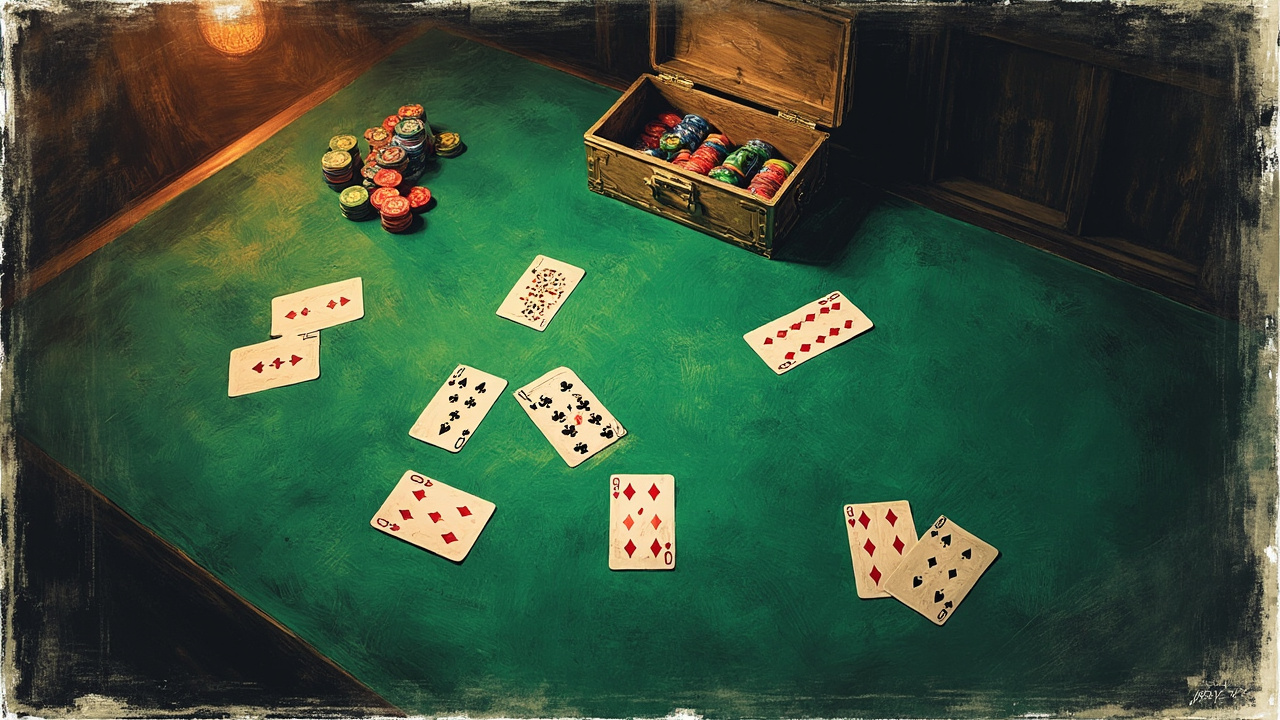
A pair of tens is already one of the strongest starting positions in the game, sitting at a hard twenty with a strong chance of beating most dealer upcards. Splitting those cards turns one strong hand into two weaker ones, each starting with a ten-value card and facing the full risk of the dealer improving on a weak upcard. The expected value of standing on twenty beats the expected value of splitting in every standard deck configuration used by major providers, which is why the chart is explicit.
Some players refuse to count their money while still at the table, echoing «The Gambler» lyric, but that habit does not change the arithmetic underneath the decision. A temporary Crown Casino operated at the World Trade Centre before Southbank, and even in that short-lived space the house relied on players making emotionally driven splits that the maths did not support. The same logic applies online, where a provider like NetEnt or Playtech runs the same deck probabilities and the same standing expectation on a hard twenty.
| Decision | Typical EV vs dealer upcard |
|---|---|
| Stand on hard 20 | Positive against 2 through 6, neutral against 7 through Ace |
| Split tens | Negative across most upcards, worst against 5 and 6 |
The table above is a rough guide rather than a promise, because exact expected value shifts slightly with deck count and rule variations, but the direction never flips. If a site markets a table with late surrender or a different doubling rule, the standing line still holds firmer than the split line. That is the kind of detail worth checking before you load a balance, and it is the same sort of conversion-quality thinking we apply when we test campaign landing pages in Melbourne, where a misleading headline can lift clicks but wreck retention after the first session.
Players seeking to validate these probabilities against promotional offers should consult https://spinsamuraibonus.net/ for updated resources. Accessing spin samurai free chips can provide additional entertainment value without altering the fundamental strategy outlined above. Ultimately, maintaining discipline with the standing line remains the most reliable path to preserving your bankroll across sessions.
Why the split temptation keeps showing up
Players split tens for emotional reasons, not mathematical ones, and the reasons are predictable once you watch a floor or a live-dealer stream long enough. A pair of tens feels like a missed opportunity when the dealer shows a weak upcard, and the idea of two hands doubling your chance to win sounds fair even when the starting cards are weaker. The problem is that two hands starting at ten each are easier to bust or to lose to a dealer who turns a strong total, so the split trades a likely win for two possible losses.
In poker played against other players (not the house), the casino earns money via the «rake,» which is a completely different model from blackjack where the house edge sits in the rules and the player decisions. That distinction matters because blackjack is a game against the dealer, not a game against other players, so splitting tens does not create a competitive advantage the way a good poker read might. The edge comes from folding weak decisions, not from chasing a feeling of control.
I have seen the same impulse in acquisition work, where a flashy bonus offer pulls sign-ups but the first-session behaviour shows people chasing splits and side bets instead of sticking to the chart. Thomas Lewis, Risk and Integrity Manager, Laneway Interactive Media, puts it bluntly: «A bonus that rewards volume without rewarding discipline tends to attract players who burn through the play requirement and leave with a negative session memory.» That is the kind of integrity check that separates a short-lived acquisition spike from a player base that actually returns.
The split temptation also shows up when a table looks slow or a live dealer is taking a long time, and the idle hands start inventing action. A delayed Sydney train can feel like the perfect moment to second-guess a decision, but the chart does not care about the wait, only about the upcard and the hard total. If you are playing online, the same patience applies, and the best sessions are the ones where you let a hard twenty sit still instead of breaking it apart for the sake of movement.
Player fit for sticking to the chart
Sticking to the chart suits players who want a repeatable session rather than a heroic one, and that fit is broader than most people assume. You do not need a photographic memory for every index play, just a clean habit on the most common hands like hard totals, soft totals, and pairs. The pair rule that saves the most money over time is the one that says never split tens, because it protects a strong hand from becoming two weaker ones.
For an Australian player sitting down in Wollongong on a quiet arvo, the practical fit is about choosing a table with clear rules, a reasonable limit, and a pace that lets you follow the chart without rushing. The registration and verification step matters here because a site that makes identity checks and first-deposit steps clear tends to run smoother on the play side too, which is the same operational discipline we look for when we assess a new market entry. Finn Walker, Chief Financial Officer, Brighton Beach Betting Lab, notes: «A clean first-session flow, from signup to verified account to activated bonus, usually predicts better retention than a heavy bonus that hides the real play conditions.»
A short checklist helps before the first hand:
- Confirm the table rules on doubling, surrender, and deck count
- Check that the bonus activation terms match the games you actually want to play
- Verify the payment method and currency before the first deposit
- Read the support hours and the verification timeline so there are no surprises mid-session
Andrew Watson, Sports Betting Analyst, Bondi Sports Data, keeps the comparison grounded: «Blackjack discipline and sports betting discipline share the same problem, which is that a tempting short-term move often looks better than the slower edge that actually compounds.» That is the fit to aim for, a player who treats the chart as a routine rather than a restriction, and who accepts that a hard twenty is a hand to keep intact.
The best sessions are the ones where the chart does the work and the player does the waiting, which is a quieter kind of satisfaction than a big split-driven swing. If you want a game that rewards patience and clear decisions, blackjack basic strategy never split tens is one of the cleanest rules to build around, and it is the kind of habit that holds up whether you are at a live table or behind a screen.